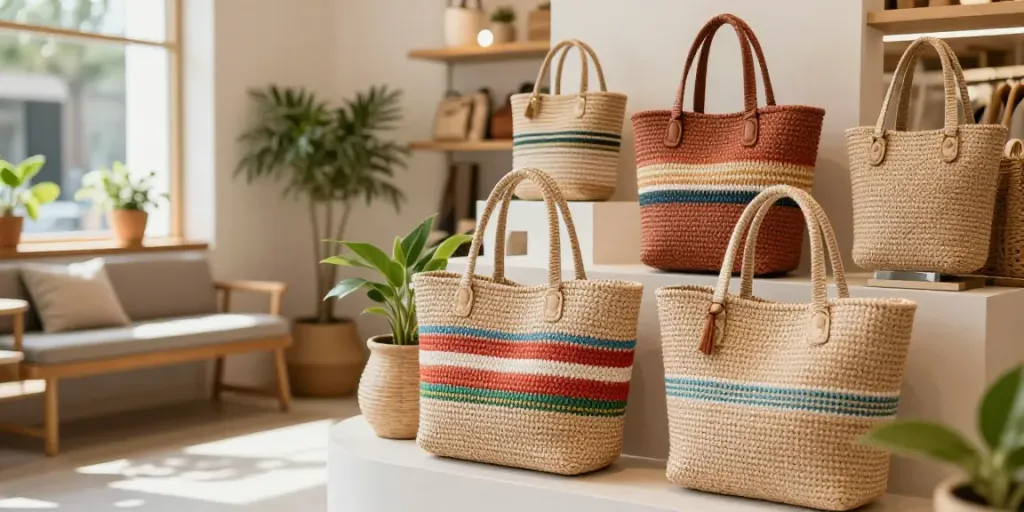
Understanding Raphia: The Natural Fibre Revolution
Raphia, a remarkable natural fibre derived from the leaves of the raphia palm, has captured the attention of artisans and fashion enthusiasts alike. This sustainable material not only boasts unique aesthetics but also serves as a testament to the age-old traditions of handcrafting. Artisans from Madagascar have turned raphia into beautiful, durable bags that reflect their cultural heritage. When exploring options, raphia provides comprehensive insights into the multifaceted world of fashion accessories and sustainable living.
What is Raphia and its Origins?
Raphia is derived from the leaves of the raphia palm, primarily found in tropical regions of Africa and Madagascar. This fibrous material is known for its flexibility, durability, and natural beauty, making it a popular choice for a variety of handcrafted items, especially bags. The history of raphia stretches back centuries, where it has been revered not only for its utilitarian properties but also for its cultural significance. In Madagascar, the craft of weaving raphia is not merely a trade; it's a way to preserve heritage and provide livelihoods to local communities.
Raphia's Sustainable Benefits in Fashion
The rise of eco-conscious consumers has spotlighted raphia as a sustainable alternative in fashion. Unlike synthetic materials, which can harm the environment during production and disposal, raphia is biodegradable and can be harvested without damaging the trees. Additionally, the production of raphia bags supports local artisans and economies, fostering a more ethical approach to fashion. As trends shift towards sustainability, incorporating raphia into your wardrobe not only enhances your style but also aligns with responsible consumerism.
Comparing Natural vs. Synthetic Raphia
While raphia is primarily known as a natural product, some manufacturers create synthetic versions to mimic its aesthetic appeal at a lower cost. Natural raphia offers superior quality, breathability, and an unparalleled artisanal charm, whereas synthetic alternatives may lack durability and character. For consumers who value authenticity and craftsmanship, choosing genuine raphia products ensures a more meaningful fashion statement.
Selecting the Perfect Raphia Bag
Choosing the right raphia bag involves considering various factors, including size, style, and functionality. With the diversity of designs available, each bag can cater to different occasions and personal styles.
Key Features to Consider in Raphia Bags
- Durability: Look for bags that have been meticulously crafted to withstand daily use. High-quality raphia should feel sturdy yet flexible.
- Style: Raphia bags come in various styles, from totes to clutches. Select a design that complements your wardrobe.
- Craftsmanship: Pay attention to the details, such as stitching and embellishments, which reflect the skill of the artisan.
Size and Style: Tailoring Your Choice
Size is a crucial factor when selecting a raphia bag. Consider your daily needs: do you require a spacious tote for shopping or a compact bag for outings? Styles range from laid-back beach bags to sophisticated evening clutches, allowing you to tailor your choice to suit various occasions. This versatility makes raphia bags a valuable addition to any wardrobe.
Caring for Your Raphia Bag: Maintenance Tips
To ensure the longevity of your raphia bag, proper care is essential. Here are some maintenance tips:
- Cleaning: Avoid submerging your bag in water; instead, use a damp cloth to wipe away dirt and grime.
- Storage: Store your bag in a cool, dry place, away from direct sunlight, to prevent fading and wilting.
- Protection: Consider using a spray protector designed for natural fibres to safeguard against spills.
The Craftsmanship Behind Raphia Bags
The artistry that goes into creating raphia bags is astounding, reflecting the centuries-old skills passed down through generations. Every bag tells a story of dedication and cultural significance.
The Artisans: Skills and Techniques
Artisans who work with raphia are often highly skilled, employing traditional weaving techniques that require years of practice to perfect. Their craftsmanship not only results in stunning designs but also ensures each product carries the spirit of the region they come from. This connection to heritage and community makes every bag an authentic piece of art.
Materials Used in Raphia Bag Production
Beyond raphia itself, artisans incorporate various materials to enhance the bags' beauty and functionality. Local embellishments, such as beads and leather handles, can add a unique touch to each creation, elevating it from a mere accessory to a fashion statement.
Behind the Scenes: The Weaving Process
The weaving process of raphia bags is meticulous, requiring patience and precision. Artisans begin by harvesting the raphia leaves, then they dry and prepare them for weaving. Each strand is carefully intertwined, with patterns that reflect the artisan’s creativity and training. This hands-on approach ensures no two bags are exactly alike, adding to their charm.
Trends in Raphia Fashion for 2026
As we look forward to 2026, raphia continues to evolve within the fashion landscape, offering exciting trends that appeal to a broad audience.
Upcoming Styles and Designs to Watch
Fashion trends for raphia will likely incorporate bolder colours and innovative designs. Expect to see more hybrid bags that blend raphia with other sustainable materials, creating unique textures and styles that cater to both casual and formal settings.
How to Incorporate Raphia into Your Wardrobe
Raphia bags can seamlessly integrate into your wardrobe. Pair a raphia tote with a casual outfit for a day out or opt for a chic raphia clutch for an evening event. These bags can add a touch of sophistication and eco-conscious flair to your look.
Styling Tips from Fashion Influencers
Fashion influencers are increasingly showcasing raphia bags, demonstrating their versatility. Layering raphia bags with statement jewellery or pairing them with vibrant outfits can elevate your overall look. Take inspiration from these trendsetters to find your unique style.
Building an Ethical Raphia Brand
As the fashion industry embraces ethical practices, building a raphia brand requires a focus on authenticity and community engagement.
Understanding Ethical Sourcing Practices
Ethically sourcing raphia involves ensuring fair trade practices are maintained throughout the production process. Brands must commit to transparency, ensuring that artisans receive just compensation for their work and that sustainable practices are upheld in harvesting the raphia.
Engaging with Local Communities in Madagascar
Engagement with local communities is vital for sustainable raphia brands. Supporting artisans not only preserves cultural heritage but also empowers individuals and families within these communities. Collaborating with local organisations can enhance brand credibility and ensure practices are respectful and beneficial for all involved.
Future-Proofing Your Raphia Brand for the Market
To remain competitive in the evolving fashion market, raphia brands must adopt innovative design techniques and sustainability practices. This might include the use of digital platforms for marketing, leveraging social media for outreach, and continually revisiting their production methods to reduce environmental impact.
What is raphia and where is it sourced?
Raphia is a natural fibre derived from the leaves of the raphia palm, primarily sourced from Madagascar and other tropical regions. Its unique characteristics make it ideal for crafting durable, stylish bags and accessories.
How do I maintain my raphia bag?
Proper maintenance involves cleaning with a damp cloth, storing it in a cool, dry place, and using protective sprays to safeguard against spills. This care will help your raphia bag last for years.
What are the latest trends in raphia fashion?
Recent trends include bold colours, hybrid designs that combine raphia with other materials, and an emphasis on sustainable practices, catering to the modern eco-conscious consumer.
Why choose raphia over synthetic materials?
Choosing raphia supports sustainable practices, offers superior durability, and provides a connection to artisanal craftsmanship, making it a more meaningful choice than synthetic alternatives.
Can raphia bags be used for formal occasions?
Absolutely! Raphia bags can be designed to suit formal occasions, especially when embellished with elegant details or crafted in sophisticated styles, providing an eco-friendly option for upscale events.