The Role of Expositores in Industry Events
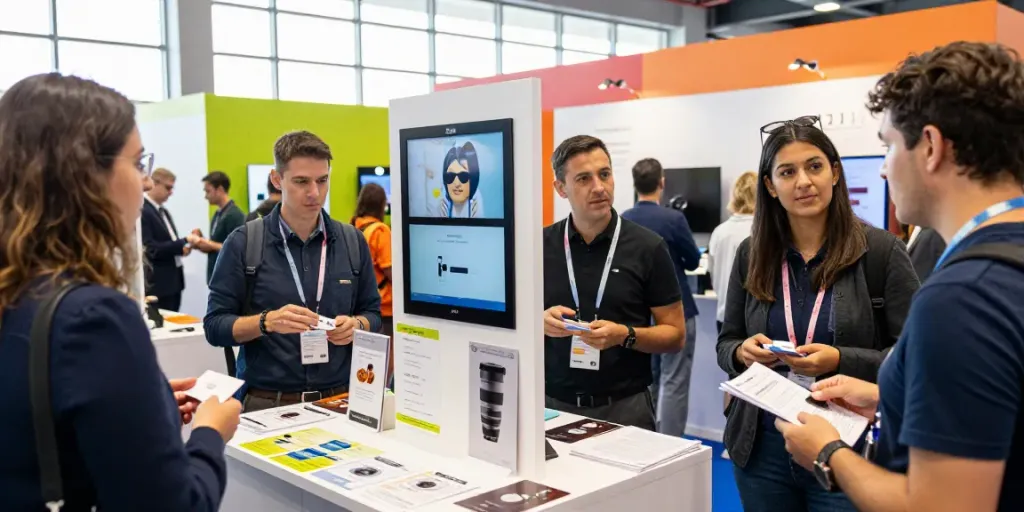
In the context of industry events, the role of expositores (exhibitors) is crucial for both businesses and attendees. These entities not only showcase their products and services but also create valuable connections and insights that can drive their sectors forward. Expositores provide a tangible representation of industry innovations and trends, making them essential players in the ecosystem of trade shows, conventions, and expos. When exploring options, Expositores serve as a bridge between suppliers and consumers, enabling a deeper understanding of market demands.
Understanding the Importance of Exhibitors
Expositores are often the lifeblood of industry events. They facilitate direct communication between companies and potential clients, allowing for immediate feedback on products and services. This interaction not only fosters relationships but also enhances brand loyalty as attendees engage with exhibits firsthand. Furthermore, expos provide expositores with a platform to differentiate themselves from competitors through unique displays and presentations, which can lead to increased visibility and sales opportunities.
Common Challenges Faced by Expositores
While the benefits of exhibiting are significant, expositores often face challenges that can hinder their success at industry events. One major issue is the competition for attention; with numerous exhibitors vying for the same audience, standing out can be difficult. Additionally, managing logistics, such as booth design, staffing, and promotional materials, can be overwhelming without proper planning. Financial constraints also pose a challenge, as the costs associated with participating in expos can add up quickly, sometimes deterring small businesses from participating.
Best Practices for Effective Engagement
To overcome these challenges, expositores should implement best practices to enhance their engagement strategies. First, it’s vital to clearly define objectives for participation, whether it’s lead generation, brand awareness, or networking. Tailoring the exhibit to align with these goals can significantly enhance effectiveness. Furthermore, leveraging digital marketing strategies, such as social media promotions before and during the event, can boost visibility and attract more visitors to the booth. Interactive elements, such as live demonstrations or virtual reality experiences, can also engage attendees and create memorable interactions.
Strategies for Successful Expo Participation
Planning and Preparation for Your Exhibit
Effective participation in an expo begins with meticulous planning. Early preparation allows expositores to settle logistics, design booths, and train staff adequately. Creating a detailed timeline that outlines all tasks leading up to the event can minimize last-minute stress. Additionally, expositores should research the event’s demographic to tailor their approach to the audience effectively. Understanding attendee interests can help in selecting the right products to showcase and crafting compelling messaging.
Maximizing Your Booth's Visibility
The visibility of an exhibit can make or break an expositor's success. Innovative booth designs that are visually appealing and aligned with brand identity can catch the eyes of attendees. Using lighting, signage, and interactive displays can draw in crowds. Moreover, strategic placement within the venue also matters; being near food courts or high-traffic areas can significantly enhance footfall. Engaging visuals, including banners and backdrops, should communicate clear, concise messages about offerings.
Networking Tactics that Work
Networking is a key aspect of exhibiting at industry events. Expositores should come prepared with various methods for engaging with attendees and other exhibitors. Business cards, brochures, and digital follow-ups are essential tools for building connections. Engaging with other exhibitors can also provide opportunities for collaboration. Networking events or workshops during the expo can facilitate these interactions, leading to potential partnerships and business growth.
Innovative Trends in Exhibitions for 2026
Technology's Impact on Exhibitor Experiences
As technology evolves, so does the role of expositores in shaping visitor experiences. Innovations such as augmented reality (AR) and virtual reality (VR) are transforming how products are showcased. These technologies allow potential customers to interact with products in immersive ways, leading to deeper engagement. Additionally, mobile apps for expos can enhance attendee experience by providing real-time updates, maps, and engagement tools that facilitate easier networking.
Eco-friendly Practices in the Expo Industry
Another significant trend is the shift towards sustainability. Expositores are increasingly adopting eco-friendly practices by using sustainable materials for booths and promotional items, which resonate with environmentally conscious consumers. Implementing recycling programs, utilizing digital materials instead of printed ones, and reducing energy consumption during the event are practical steps that can elevate a brand's reputation as responsible and forward-thinking.
Adapting to Attendee Preferences
Understanding and adapting to attendee preferences is vital for the success of expositores. Recent trends show that consumers are drawn to personalized experiences. Expositores can utilize data analytics to tailor their offerings and engage attendees meaningfully. Surveys and feedback tools during and after events can provide insights into what attendees find valuable, allowing exhibitors to adjust their strategies effectively for future events.
Real-World Case Studies of Successful Exhibitors
Highlighting Innovative Expositores from Recent Events
Examining successful case studies of past expositores can provide valuable insights into effective strategies. For example, a leading tech company recently utilized interactive holograms to engage attendees at a major expo. This innovation not only attracted large crowds but also generated substantial media coverage, enhancing brand visibility. Learning from such examples can inform other expositores about the potential for innovation in their presentations.
Lessons Learned from Failed Exhibits
Not all exhibits result in success, and analyzing failures is as crucial as celebrating wins. A notable case involved an exhibitor that neglected pre-event marketing, resulting in low booth traffic. This highlights the importance of a comprehensive marketing strategy that includes social media, email campaigns, and partnerships. Failure to adapt to attendee trends—like the shift towards eco-friendliness or technology-enhanced interactions—can also lead to diminished engagement and poor ROI.
Key Metrics for Measuring Success
To determine the effectiveness of their participation, expositores should focus on key performance indicators (KPIs) that go beyond mere foot traffic. Metrics such as the number of leads generated, follow-up meetings scheduled, and post-event sales conversions provide a more comprehensive view of success. Tools like attendee engagement software can help gather data on interactions and gauge overall satisfaction, offering insights that can inform future strategies.
Future Predictions for Expositores
Emerging Trends for 2026 and Beyond
Looking ahead to 2026, several trends are poised to reshape the exhibition industry. The increasing use of artificial intelligence (AI) in event management will streamline operations for expositores, enabling them to focus on engagement rather than logistics. Moreover, the rise of hybrid events—combining in-person and virtual components—will require exhibitors to develop strategies that cater to both audiences, offering a multi-faceted approach to engagement.
Preparing for Changes in Industry Standards
As the exhibition landscape evolves, staying informed about industry standards will be crucial for expositores. Emerging regulations regarding data privacy, health protocols, and sustainability practices will influence how exhibitors design their exhibits and engage with attendees. Therefore, expositores must remain agile and adapt their strategies to comply with these changes while maintaining a competitive edge.
Expert Insights: What to Expect in the Next Decade
Experts predict that in the next decade, the line between digital and physical experiences will blur further, necessitating that expositores invest in technology and innovative strategies. Virtual showrooms and remote experiences are expected to become commonplace, enabling wider engagement. Furthermore, as consumer preferences evolve, the demand for personalized experiences will drive exhibitors to tailor their services and presentations accordingly.
What are the best strategies for expositores to stand out?
To stand out, expositores should prioritize uniqueness in their booth design, engage in thorough pre-event marketing, and utilize technology to enhance attendee interactions. Establishing a clear brand message and using interactive elements can significantly boost visibility and engagement.
How can exhibitors measure the success of their participation?
Success can be measured by evaluating lead generation, attendee engagement, post-event sales, and feedback gathered through surveys. Using a combination of quantitative and qualitative metrics provides a holistic view of an exhibitor’s performance.
What common mistakes should expositores avoid?
Expositores should avoid common pitfalls such as lack of preparation, ineffective marketing, and poor booth design. Engaging with attendees and providing clear information while maintaining an organized and visually appealing space is essential for success.
How has technology changed the role of expositores?
Technology has revolutionized the role of expositores by enabling new forms of engagement through virtual and augmented reality, data analytics, and interactive displays. These advancements facilitate deeper connections and allow for more personalized experiences for attendees.
What trends should exhibitors expect in 2026?
In 2026, expositores can expect trends such as increased use of AI for logistics, a rise in hybrid events, and a stronger focus on sustainability practices. Adapting to these trends will be crucial for exhibitors aiming to thrive in a rapidly changing environment.